Hardwood floor restoration cost depends on square footage, floor age, floor condition, board stability, previous sanding, patching needs, board replacement, sanding limits, stain matching, finish blending, access, drying time, and curing needs.
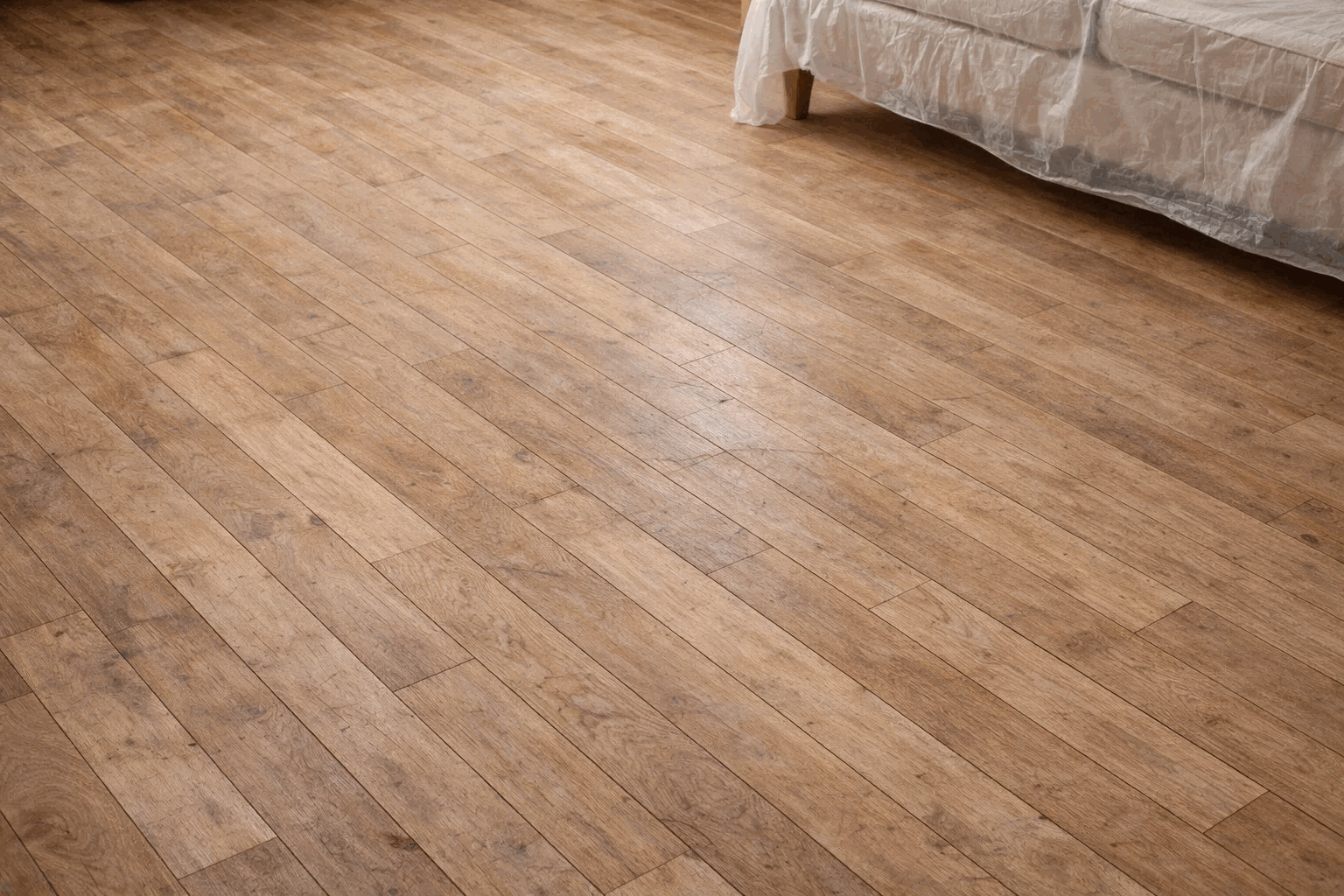
A floor with worn finish and light surface damage may need a different plan than a floor with deep gouges, old patches, loose sections, uneven colour, stair wear, or several damaged areas.
Older floors can require more careful planning because previous sanding, thin boards, old repairs, and uneven wear may limit what can be done. The restoration plan should protect usable wood and avoid unnecessary sanding.
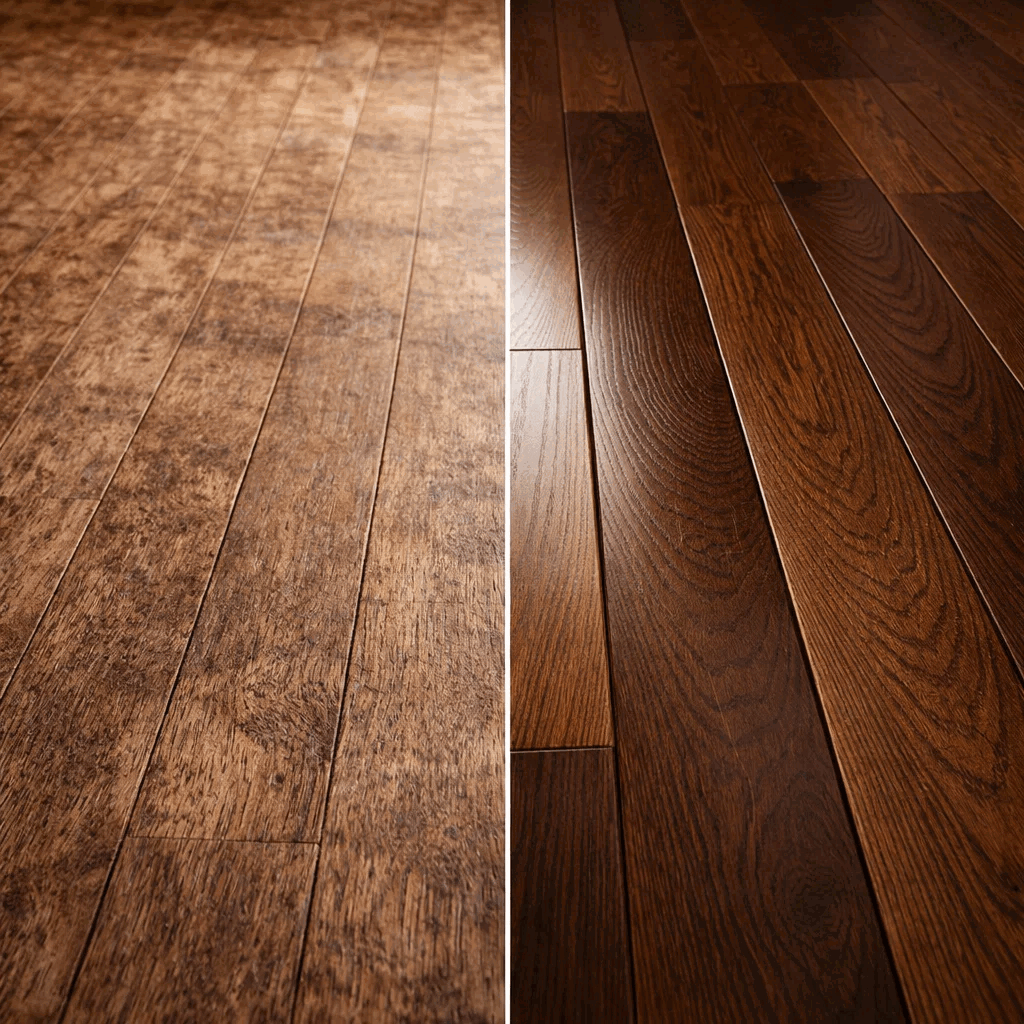
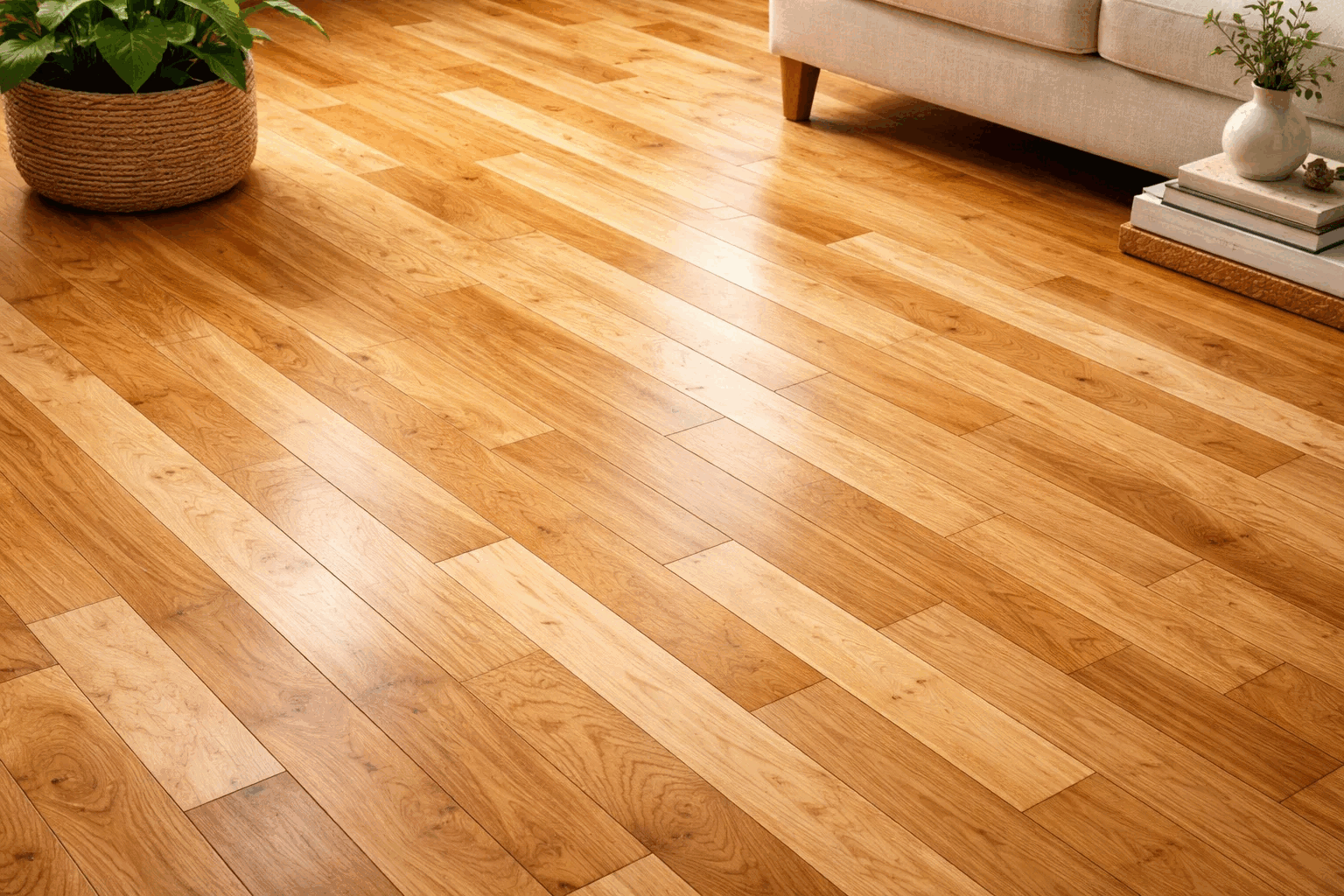
Stain matching can also affect the scope. Older wood changes over time through use, sunlight, cleaning products, previous finishes, and repairs. A patched section or replacement board may need sampling, blending, or a wider finishing area so the restored floor looks more consistent.
Restoration cost can also change if the project needs selected board repair, old patch correction, finish blending, water damage review, stair-related work, or a recommendation for refinishing instead of full restoration.
The pricing tool provides a rough planning range only. A final floor estimate depends on the restoration details confirmed during project review or an on-site visit.